
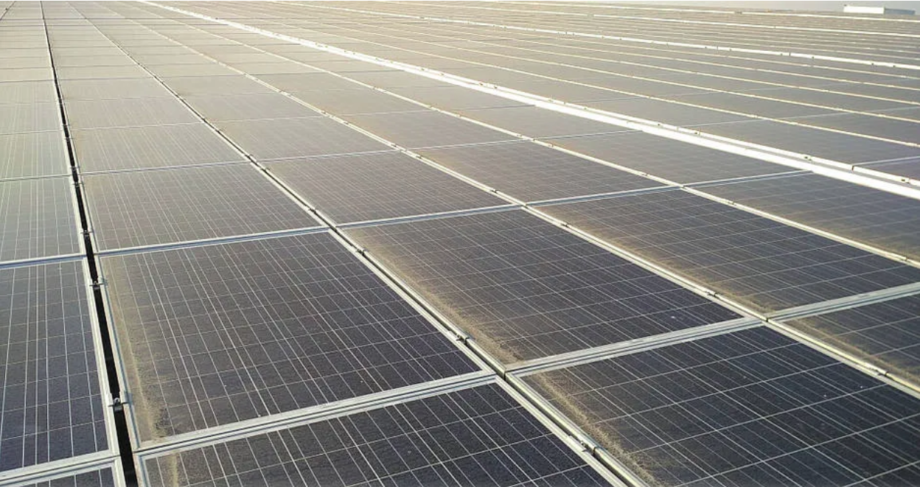
Dirty or dusty panels are more prone to the hot spot effect. It is also necessary to ensure that trees, leaves and other debris do not block direct sunlight from reaching the solar panels to ensure that light energy is fully utilised. Through the combined application of these methods, solar panel systems can be effectively prevented from developing hotspot effects and their stable and reliable performance can be guaranteed.
The accumulation of dust on solar panels can reduce the output of photovoltaic panels by as much as 30 percent in just one month.
Solar panels should be cleaned every 6 months however, there are times when you may need to get your solar panels cleaned earlier.
The best way to detect hotspots is through thermography, which highlights the overheated spots.
Dirt and dust on the panel’s surface can block some of the incoming sunlight, resulting in reduced performance and increased temperatures. Debris can also disrupt the panel’s heat dissipation and airflow.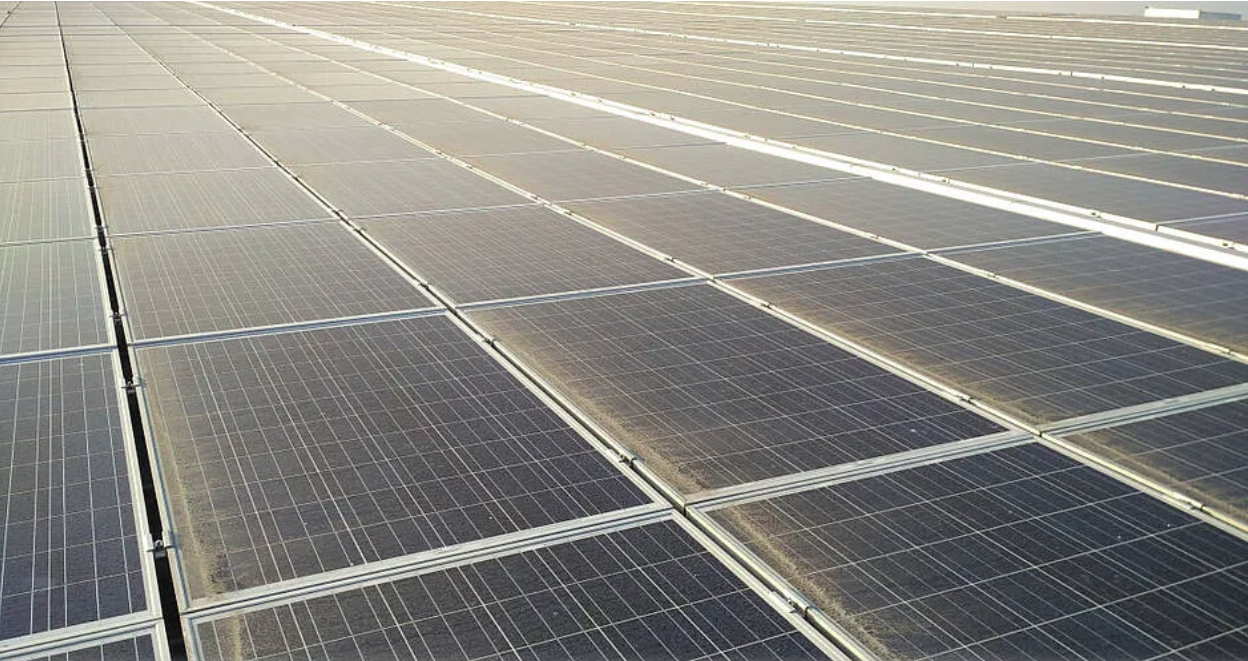
Bird droppings on solar installations are also considered the most stubborn and aggressive form of soiling to affect photovoltaic modules. Under intense sunlight, the acidic bird droppings can burn into the glass and cause so-called hot spots.